Posted on 3/27/2026
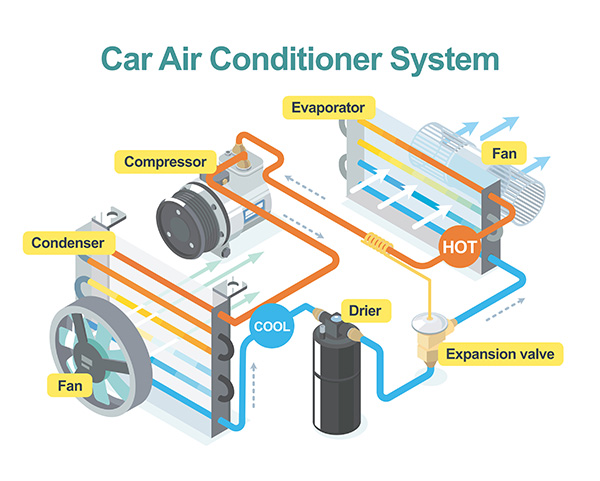
Car A/C feels simple from the driver’s seat: you press a button, and cold air shows up. Behind the scenes, it’s a tight loop of pressure changes, heat transfer, and airflow that has to work while the vehicle vibrates, heat-soaks, and bounces over potholes. When any one piece of that loop is slightly off, cooling can fade in ways that are hard to describe. Understanding the basics makes it easier to spot why a car system tends to leak more than the one cooling your house. Once you see what the system is fighting every day, the leak part makes a lot more sense. How Automotive A/C Makes Cold Air Your car’s A/C does not create cold so much as it moves heat. Refrigerant circulates through a closed loop and changes pressure as it moves, and those pressure changes control temperature. Inside the dash, the refrigerant absorbs cabin heat at the evaporator, and the blower pushes air across that cold surface into the vents. Then the refrigerant carries that ... read more
Posted on 2/27/2026
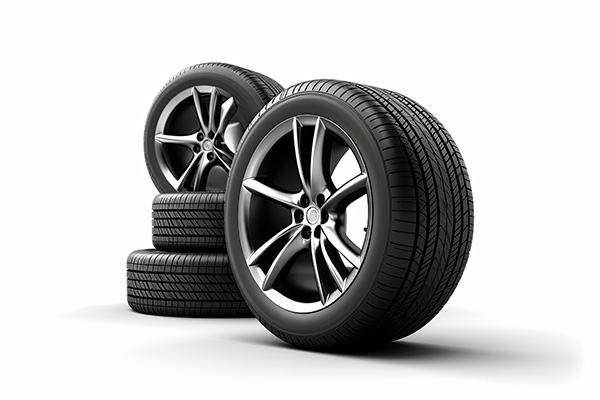
Oversized wheels can change the look of a vehicle overnight. What most drivers do not see right away is how that change affects the other parts of the vehicle. Bigger wheels come with wider tires, different offsets, and more weight, and all of that adds stress to components that were designed around the factory setup. Some vehicles tolerate the change well. Others start showing extra wear, noise, or vibration sooner than expected. The honest answer is yes, oversized wheels can be harder on suspension and brakes, but it depends on how far the setup moves from stock and how the vehicle is driven. What Changes When You Upsize Wheels The biggest changes are weight, leverage, and sidewall height. A larger wheel and tire package often weighs more and places that weight farther from the center of rotation. That affects how the suspension reacts to bumps and how the brakes slow the wheel down. Offset and width matter too. If the wheel sits farther outward than stock, it c ... read more
Posted on 1/30/2026
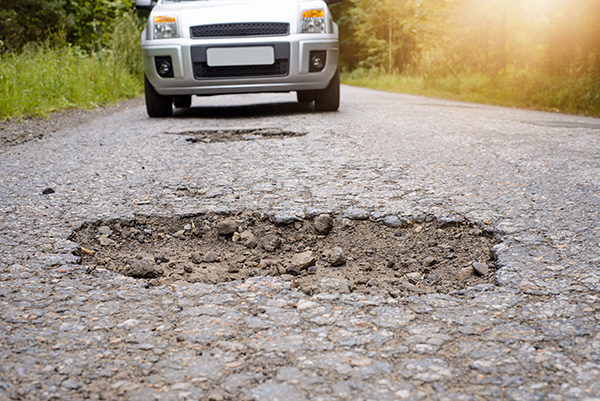
Hitting a pothole is usually a quick jolt, then you keep driving and assume you got lucky. A lot of the time, the real issues show up later, once the tire cools, the suspension settles, or you’ve put a few more miles on the car. That delay is what throws people off. If you know what to watch for during the next few days, you can catch damage early, before it turns into uneven tire wear, a steering shake, or a tire that keeps losing air for no obvious reason. 1. A Slow Leak That Starts After The Tire Cools Down A pothole can pinch the tire against the rim hard enough to disturb the seal where the tire bead sits. You might not notice anything on the drive home, then the tire starts losing a few pounds of air over the next day or two. This can also happen if the valve stem gets stressed or the rim edge gets slightly bent. If you keep topping it off without finding the source, the tire can end up running low again at the worst time, usually on a longer drive ... read more