Posted on 12/19/2025
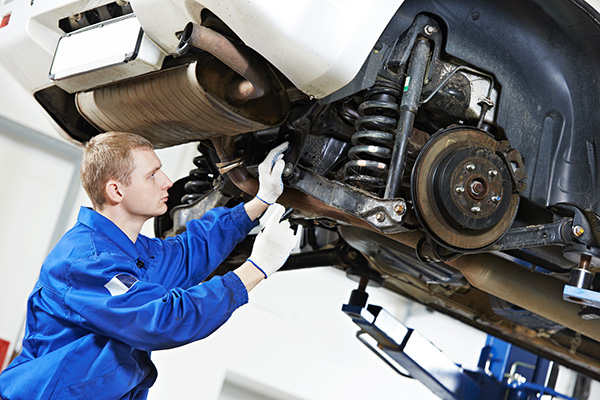
When wheel alignment is off, the car might still feel “good enough” to drive, which is why a lot of drivers put it off. Maybe it pulls a little, or the steering wheel is slightly crooked, but the car still goes where you point it. What you do not see is how hard that misalignment is working your tires and suspension on every mile. Over time, poor alignment quietly wears out expensive parts long before their time. What Wheel Alignment Actually Controls Wheel alignment is about angles and direction, not just keeping the steering wheel straight. The main settings are camber, caster, and toe, and each one affects how the tire meets the road. When these angles are correct, the tread contacts the pavement evenly, the car tracks straight, and the steering wheel returns smoothly after a turn. If those angles shift, even by a small amount, the tire can tilt, drag, or scrub as it rolls. That extra friction shows up as uneven wear, extra heat in the rubber, and mo ... read more
Posted on 11/28/2025
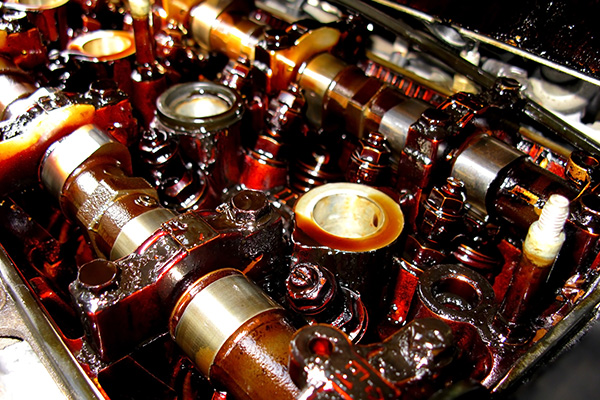
Fresh oil is cheap insurance. Letting it slide for a few thousand miles might feel harmless, but modern engines depend on clean, correctly graded oil to cool, lubricate, and seal tight tolerances. When oil is old, thin, or contaminated, small problems snowball into accelerated wear, sticky valves, and expensive repairs. Here is what really happens inside the engine when oil service gets pushed off the calendar. What Engine Oil Actually Does Beyond “Lubrication” Oil forms a film that keeps metal parts from touching, but it also carries heat away from hot spots like cam lobes and turbo bearings. Detergents suspend soot and varnish so the filter can trap them, and anti-wear additives protect during cold starts before full pressure builds. The oil also helps seal piston rings, which maintains compression and power. When that chemistry breaks down, friction rises, temperatures climb, and deposits start to stick where they should not. How Oil Degrade ... read more
Posted on 10/31/2025
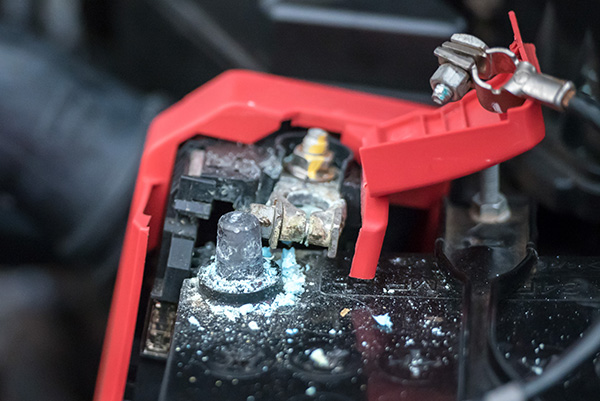
Many car owners don’t think about the battery until the engine refuses to start. But long before that happens, subtle signs often point to a battery problem, and one of the most common culprits is dirty or corroded terminals. These connection points might look small, but they carry the power from your battery to the entire electrical system. If the terminals are corroded or loose, your car may struggle to start, your lights might flicker, and sensitive electronics could malfunction. Cleaning battery terminals is one of the easiest ways to improve reliability and prevent starting issues. Here’s how to recognize when they need attention. Signs Your Battery Terminals Might Be Dirty or Corroded Corrosion looks like a white, greenish, or bluish powder around the battery posts and cable ends. It forms when battery acid vapors leak and react with the metal. Here are some symptoms that suggest your terminals might be the problem: The engine cranks slowly or req ... read more
Posted on 9/26/2025
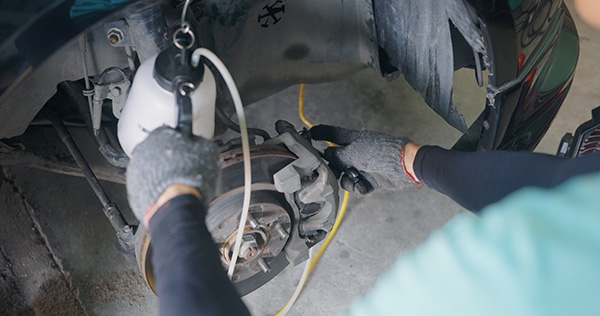
Florida’s warm, humid weather can be tough on your vehicle, especially when it comes to your braking system. While brake pads and rotors often get the most attention, brake fluid plays an equally important role in keeping your brakes reliable and responsive. Over time, moisture in the air, constant heat, and daily driving conditions can break down brake fluid faster than many drivers realize. Neglecting routine brake fluid flushes can lead to reduced braking performance, corrosion inside the braking system, and costly repairs. In Florida’s humid climate, staying on top of brake fluid maintenance is one of the best ways to keep your vehicle safe on the road. Why Brake Fluid Is So Important Your vehicle’s braking system works through hydraulics. When you press the brake pedal, brake fluid transfers force through lines and hoses to calipers or wheel cylinders, which press the pads or shoes against the rotors or drums. For this system to work effectiv ... read more
Posted on 8/24/2025
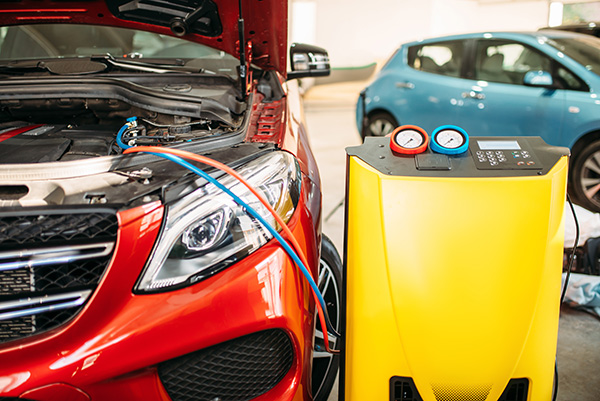
Drivers in northern states often view air conditioning as a seasonal luxury, something to use only during the summer. In Florida, it is a daily necessity. With temperatures climbing well into the 80s and 90s for most of the year and humidity levels that rarely let up, the air conditioning system in your car never really gets a break. Because of this, the system works harder and wears faster, making year-round maintenance more important here than almost anywhere else. 1. Comfort in Every Season The most obvious reason to maintain your A/C regularly is comfort. Even during Florida’s “cooler” months, midday heat can quickly turn a car into an oven. A well-maintained system ensures that when you press the A/C button, you get cold air instantly. Skipping routine service puts you at risk of being caught without cooling power when you need it, whether that’s a humid January afternoon or a scorching day in July. 2. Preventing Costly Breakdown ... read more