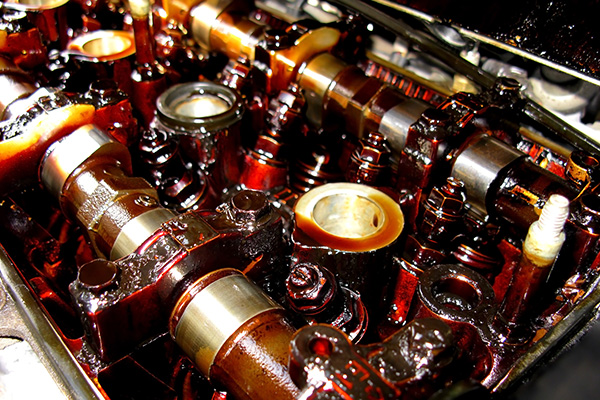
Fresh oil is cheap insurance. Letting it slide for a few thousand miles might feel harmless, but modern engines depend on clean, correctly graded oil to cool, lubricate, and seal tight tolerances. When oil is old, thin, or contaminated, small problems snowball into accelerated wear, sticky valves, and expensive repairs.
Here is what really happens inside the engine when oil service gets pushed off the calendar.
What Engine Oil Actually Does Beyond “Lubrication”
Oil forms a film that keeps metal parts from touching, but it also carries heat away from hot spots like cam lobes and turbo bearings. Detergents suspend soot and varnish so the filter can trap them, and anti-wear additives protect during cold starts before full pressure builds.
The oil also helps seal piston rings, which maintains compression and power. When that chemistry breaks down, friction rises, temperatures climb, and deposits start to stick where they should not.
How Oil Degrades Over Time and Miles
The longer oil stays in service, the more it oxidizes and thickens. Fuel dilution from short trips thins it, moisture builds during cool weather, and fine soot increases viscosity in stop-and-go driving. Additive packages get used up doing their job, so the oil’s ability to neutralize acids and prevent corrosion falls.
The filter loads up, and bypass events become more common at high rpm, meaning unfiltered oil circulates when the engine is working hardest. Even premium synthetic needs periodic replacement to restore its full protective qualities.
GDI, Turbos, and Tight Tolerances: Why Modern Engines Are Less Forgiving
Gasoline direct injection creates finer soot that sneaks past rings and contaminates oil faster than older port-injected designs. Turbochargers spin at extremely high speeds on a thin film of oil; dirty or overheated oil can coke on the bearing shaft, creating hard deposits that restrict flow.
Variable valve timing phasers rely on clean, quick-moving oil to adjust cam timing; sludge or varnish slows these passages and triggers rough idle, rattle on startup, and check engine lights. With tighter clearances everywhere, a little neglect shows up sooner.
What “Skipping” Really Looks Like Inside the Engine
Missed intervals encourage varnish and sludge. Varnish stains internal parts and causes sticky lifters or rings. Sludge can block pickup screens and oil control passages, starving the top end on cold starts. Rod and main bearings see extra heat and wear. On turbo engines, coked oil can restrict the feed line and bake in the center housing after shutdown.
Over time, the engine may burn more oil, lose compression, and develop timing chain wear from starved tensioners. These are not instant failures, but they are common outcomes of stretching changes for months or years.
Warning Signs You Waited Too Long
Small clues often appear before big repairs are needed. Watch and listen for:
- A brief rattle on startup that fades in a second or two
- Oil that smells like fuel on the dipstick, or looks dark and gritty
- Slower cranking on cold mornings, followed by a choppy idle
- Ticking from the top end or a flashing oil pressure light on hard turns
- A turbo whistle that sounds harsher than usual, or smoke after idling
Any of these hints deserves a quick inspection and an honest look at when the last service really happened.
If You’re Behind on Oil Changes: Smart Damage Control
Catching up early often prevents major work later. A practical plan looks like this:
- Change the oil and filter with the correct spec and capacity, then recheck the level after a few days.
- Ask for a thorough inspection of the oil filter pleats and the drain plug magnet; debris here can guide next steps.
- Consider a shorter follow-up interval to flush residual contamination without harsh chemicals.
- Verify PCV operation and look for leaks that can accelerate oil aging.
- On turbo engines, inspect the feed and return lines and confirm they’re not restricted.
- Avoid aggressive solvents that can break large deposits loose too quickly; steady, frequent services clean more safely.
Protect Your Engine with Military Brake & Alignment Services Inc. in West Palm Beach, FL
If you are overdue or noticing new noises, we can help. Our technicians use the correct oil specification, replace quality filters, check PCV and leaks, and set a follow-up interval that matches your driving. We can also assess timing components, turbo feed lines, and oil pressure data so small issues do not become big repairs.
Schedule a visit with Military Brake & Alignment Services Inc. in West Palm Beach, FL, and we will restore clean lubrication, stable oil pressure, and the quiet, smooth operation your engine should deliver.